Domase – Google Slide Template for Impactful Visual Storytelling
Every presentation carries a promise: to inform, persuade, or inspire an audience before they ever open a slide deck. When you open a blank presentation, that promise can feel distant. Domase – Google Slide Template is a ready-made design environment built to shorten the gap between an initial idea and a polished, shareable presentation. With 150 total slides spread across five distinct color variations, the template offers far more than a surface-level collection of layouts. It arranges thoughtful graphic elements, resizable infographics, and flexible picture placeholders in a structure that can adapt to business meetings, classroom lessons, portfolio reviews, and brand storytelling with equal ease. For professionals who value time and visual consistency, the template provides a practical way to work inside Google Slides without starting from scratch.
What the Domase Template Actually Provides
At first glance, a large slide count might suggest quantity over quality. Domase takes a different approach. Its 150 slides are organized into five themed color schemes, with 30 slides per variation. Each set includes section break layouts, text-and-image combinations, data display formats, and dedicated gallery or portfolio slides. Because the template is built on master slides, core design elements remain consistent across every slide you use. That consistency matters when you need to hand off a deck to a teammate or revisit a project weeks later. You can change fonts, adjust color hues, or reposition placeholders without worrying that the underlying structure will break. The downloaded folder includes five PPTX files from Google Slides, meaning you can also open and edit the template in Microsoft PowerPoint if that fits your workflow better. A readme file walks you through font choices and photo license information, helping you avoid common setup mistakes.
Where Thoughtful Design Meets Daily Work
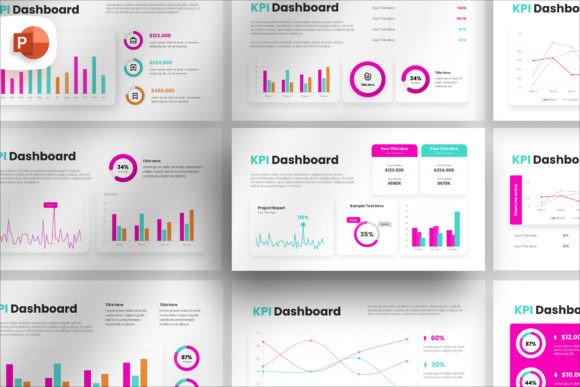
Many presentation templates promise visual flair but fail under real content pressure. Domase addresses this with handcrafted infographics that are not locked into a single shape or dataset. Charts, process diagrams, timelines, and comparative layouts are all resizable and editable directly in Google Slides. Instead of wrestling with external illustration tools, you can adjust data points, recolor sections, or simplify a graphic to match your talking points. Pixel-perfect illustrations and icon sets add a layer of polish that works well on high-resolution screens and projectors. For teams that run hybrid meetings, where some attendees join on laptops while others connect via conference room displays, this visual clarity can make the difference between a slide that reads cleanly and one that looks fuzzy or misaligned.
Streamlining Visual Storytelling with Drag-and-Drop
Image-driven storytelling often gets delayed by cropping, resizing, and formatting screenshots or photography. Domase simplifies this with dedicated picture placeholders. You can drag an image from your desktop or file browser directly into a designated placeholder, and the template automatically masks and scales it to fit the layout. This is especially useful when you need to build a quick case study, a client-facing proposal, or a lookbook. The gallery and portfolio slides are arranged so that multiple images coexist harmoniously without overwhelming the audience. Creative freelancers and agencies find this particularly handy because they can showcase work samples without spending hours adjusting spacing or alignment.
How Different Roles Use Domase Day to Day
Templates become valuable when they align with real tasks. Here is how a range of users might incorporate Domase – Google Slide Template into their regular workflows.
Marketing Teams and Content Strategists
A monthly performance report or a campaign recap often mixes screen captures, trend charts, and competitor snapshots. Domase’s infographic slides allow marketers to swap generic placeholder figures for actual metrics while keeping the design language uniform. The five color variations also mean a social media manager can pull a lighter palette for an external client report and switch to a darker, more formal variant for an internal executive summary—without rebuilding slides from scratch.
Startup Founders and Small Business Owners
When you pitch to investors or introduce a new service to potential partners, you need to communicate competence quickly. Domase offers a complete narrative arc: opening title slides, problem-solution frameworks, data-backed credibility slides, and clean closing layouts. Because all graphics are editable, a founder can replace placeholder illustrations with product sketches or user feedback highlights. The drag-and-drop picture functionality means a last-minute team photo or prototype shot can be added minutes before a meeting without breaking the slide’s geometry.
Educators and Instructional Designers
Online course modules, workshop materials, and tutorial decks benefit from visual rhythm. Domase’s section break slides act as natural pauses, helping learners process information before moving to the next topic. The template’s infographics can simplify complex processes—think of a flowchart explaining a scientific method or a Venn diagram comparing literary themes. Because the slides are built inside Google Slides, collaboration with co-teachers or teaching assistants happens in real time, and version control remains straightforward.
Freelancers and Portfolio Builders
A freelance photographer, graphic designer, or illustrator often needs a clean way to present visual work without the template competing for attention. Domase’s gallery and portfolio slides are intentionally minimal, allowing images to breathe. You can arrange projects by theme, client type, or timeline. The pixel-perfect illustrations within the template itself can also be recolored to echo a personal brand palette, giving the entire deck a cohesive, custom feel even if you start with a preset color scheme.
Practical Observations on Customization and Fit
While Domase provides a robust starting point, no single template will match every branding guideline out of the box. Users who require strict adherence to a corporate identity with exact hex codes and proprietary fonts will still need to perform initial setup. The template supports this well because master slides allow global changes, but it is worth budgeting a short configuration session before diving into content creation. Similarly, the five included color palettes are thoughtfully chosen, yet some niches—like medical or legal settings that gravitate toward very subdued aesthetics—may want to desaturate certain elements further. That kind of tweak is entirely possible and encouraged, but it is a reminder that templates are not turnkey solutions; they are intelligent frameworks.
Another consideration involves the learning curve for those new to Google Slides. The platform itself is intuitive, but understanding master slide editing, placeholder behavior, and how imported PPTX files behave across different versions of PowerPoint can take a short exploration. Fortunately, the included readme file provides clear font and photo guidance, reducing confusion right from the first open.
Making Color Work Harder for You
Color does more than decorate. It signals hierarchy, establishes mood, and guides the eye. With five ready-to-use color schemes—each applied across an entire 30-slide set—Domase saves you from the dreaded scenario of manually recoloring elements slide by slide. This is particularly meaningful when you are preparing for a multi-event conference or a series of client webinars, where you might want to maintain design consistency while subtly differentiating each session’s slide deck. The color variations also help if your organization has multiple sub-brands or if you serve different audience segments. A youth-focused workshop could use a vibrant, higher-contrast palette, while an annual board review stays with a more muted, professional look, all within the same template family.
When Volume and Variety Support Creative Freedom
A common mistake in presentation design is using too few slide types and forcing content into ill-fitting layouts. Domase’s 150-slide architecture encourages you to pick the right structure for each message. You might use a split-image layout for a leadership quote, followed by a multi-infographic slide to unpack quarterly results, then a section break to introduce the next strategic pillar. This variety subtly signals to the audience that you have invested thought into the flow. It also reduces the cognitive load for the presenter, because once you select a slide type, you primarily need to focus on the content, not the design.
What the Delivered Package Includes
The main file download is not a single, bloated .gslides file. You receive five PPTX items from Google Slides, each containing 30 slides tied to a specific color scheme. This modular approach means you can start with one scheme for a project and import additional slides from the other sets later if you need to expand or remix layouts. The inclusion of PPTX formats also ensures compatibility for colleagues who prefer or require PowerPoint. Inside the folder, you will find the Google Slides source files, a readme document that lists font usage and photo credits, and clear instructions on how to get moving. Having font and photo information upfront is more valuable than it might seem at first glance—it prevents broken type rendering when you present on a different machine and confirms that you are using assets legally.
Who Should Look Closely at Domase
If you resonate with any of the following, this template likely aligns with your needs:
- You present regularly to different audiences and need to maintain visual quality without hiring a designer each time.
- Your current slide library feels outdated, and you want a modern, infographic-rich alternative that still allows deep customization.
- You collaborate with teams using both Google Workspace and Microsoft Office, and you want files that glide between environments.
- You are building a portfolio or pitch deck where image presentation is as important as the text itself.
On the other hand, if your presentations are extremely text-heavy, academic in the strictest sense, or require a very specific diagramming tool embedded in every slide, you might still find value in Domase’s structure but should compare its infographic capabilities with dedicated charting applications. The template excels at the intersection of visual storytelling and efficient editing—it is not a replacement for specialized data visualization software where real-time data feeds are essential.
Incorporating Domase into a Sustainable Workflow
Smart presentation habits multiply a template’s impact. Start by duplicating the master file so your base template remains pristine. Customize the master slides: set your preferred font pairings, adjust the color accents to match brand guidelines, and replace placeholder logos if needed. Once that foundation is in place, building individual presentations becomes a matter of picking slides from the library and dropping in your content. When a project demands a fresh look, you can duplicate another color scheme and repeat the process without losing earlier work. Over time, teams often develop a small collection of go-to slide types from Domase that suit their recurring meeting formats—weekly standups, client pitches, training onboarding—and this speeds up preparation considerably.
For those who regularly give presentations on unfamiliar screens, the template’s pixel-perfect construction reduces the risk of misalignment. However, it is still wise to test a few key slides on the actual display equipment or video conferencing software you will use. Google Slides generally handles web fonts well, but if your organization has strict security policies that block external font loading, you might need to fall back to system fonts and adjust spacing slightly. The readme guidance will help you identify which fonts to replace in that scenario.
Key Takeaway
Domase – Google Slide Template delivers a comprehensive set of slides, color palettes, and editable graphics that can support a wide range of professional presentations. Its strength lies in the balance between ready-made visual appeal and granular control. Instead of starting from an empty canvas or wrestling with mismatched individual slide imports, users gain a coherent system where design choices have already been made with care—and those choices remain open to adaptation. Whether you need a fast turnaround for a client draft or a deeply polished deck for an annual conference, the template provides a foundation that respects both your time and your audience’s expectations.