Microscope, Server, Magnifier: Vector Icons Built for Real Projects
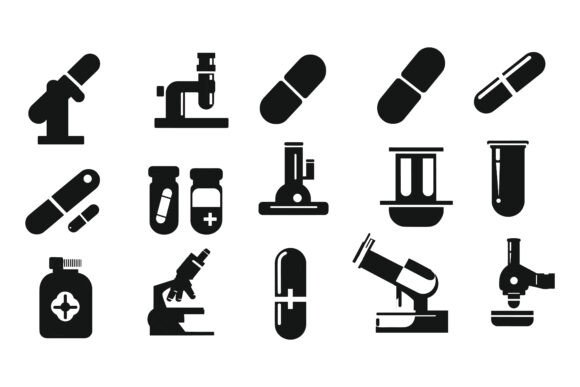
Finding illustration sets that actually hold up under real design pressure is surprisingly difficult. Many collections look decent in previews but fall apart the moment you need to resize, recolor, or integrate them into an existing project. The Microscope, Server, Magnifier AI EPS illustration set addresses that gap directly — offering vector artwork that's been built with practical editing in mind, not just surface-level appeal.
What sets these three icons apart is how naturally they fit into professional workflows. A microscope suggests research, analysis, and discovery. A server points to infrastructure, hosting, data management, and backend systems. A magnifier signals search, inspection, detail orientation, and investigation. Together, they cover ground that's relevant to technology companies, educational platforms, scientific publications, IT service providers, and creative agencies alike.
The Practical Advantage of AI EPS Format
Vector formats aren't all created equal. When you download an AI EPS file that's been properly structured, you're not just getting an image — you're getting an editable blueprint. The Microscope, Server, Magnifier set arrives with compatibility for both Mac and Windows users, which eliminates the friction that often comes with cross-platform teams. No file conversion headaches, no missing font warnings when you open it in your preferred software.
EPS files scale infinitely without degradation. That illustration you're using for a website hero banner at 800 pixels wide? It'll render just as cleanly on a trade show banner printed at six feet across. For designers juggling multiple output formats, this kind of flexibility isn't a luxury — it's essential to maintaining consistent quality across touchpoints.
Organized File Structure That Respects Your Time
There's a particular frustration that comes with opening a vector file only to find dozens of unnamed layers, grouped objects that make no logical sense, and clipping masks stacked four deep. It turns a five-minute color adjustment into a thirty-minute archaeology expedition. The Microscope, Server, Magnifier collection prioritizes neatly organized files with sensible layer structures.
This matters more than casual users might realize. When every element is properly named and grouped, you can isolate specific components quickly. Need to recolor just the lens element of the magnifier? You'll find it in seconds rather than hunting through a flat pile of paths. Want to separate the server rack from its indicator lights for an animation project? The layer structure makes that straightforward. This kind of organization reflects design work done by someone who has actually had to edit their own files under deadline pressure.
Where Detail and Consistency Actually Count
Perfection in details and consistency isn't marketing language when it comes to illustration sets — it's what separates usable assets from decorative filler. Consistent stroke weights mean your microscope, server, and magnifier icons coexist harmoniously in the same interface without one looking heavier or lighter than the others. Matching corner radii and proportional relationships create visual rhythm that users may not consciously notice but will feel when it's absent.
Consider a dashboard interface where these three icons appear in close proximity. If the microscope has a 2-pixel stroke and the server uses 1.5 pixels, the difference registers as visual noise. The set's attention to consistency eliminates that problem before it starts, which means fewer manual corrections and faster implementation.
Versatility Across Media Types
The inclusion of JPG versions alongside the AI EPS files isn't an afterthought — it's a recognition that different platforms demand different formats. Your content management system might handle JPG uploads effortlessly but reject EPS files. Your presentation software likely prefers raster images. Having both formats ready to use means you're not opening Illustrator every time you need to place an icon into a document.
The set's suitability for print, web, symbols, apps, and infographics isn't just a feature checklist. It reflects the reality that modern projects live across multiple surfaces. The same magnifier icon might appear in a printed user manual, an app's search button, a website's feature illustration, and a slide deck's data visualization. Maintaining visual continuity across those contexts strengthens brand recognition and professional credibility.
Editing Freedom Without the Usual Constraints
Many vector sets lock you into the original artist's color choices and stylistic decisions. You can technically edit them, but the file structure fights you at every turn. The Microscope, Server, Magnifier set takes the opposite approach. Changing colors and modifying icon details is described as remarkably straightforward, which suggests clean path construction and well-planned grouping.
This editability transforms how you can use the illustrations. A software company might tint the server icon to match their brand blue while keeping the microscope green for its research-focused product line. A university department could adapt the magnifier into a stylized search feature that integrates with their institution's visual identity. The freedom to modify without wrestling with the file means these three icons can spawn countless variations tailored to specific needs.
Real-World Applications That Go Beyond the Obvious
Technology and healthcare are the immediate associations — and they're valid. A medical research platform might use the microscope to represent laboratory features, the server to indicate data storage capabilities, and the magnifier for advanced search functionality. An IT managed services provider could deploy all three across their website and proposal documents to communicate investigation, infrastructure, and precision.
But the use cases extend further. Educational technology companies building science curriculum platforms can use the microscope icon naturally throughout their interface. Digital forensics firms might find all three illustrations relevant to communicating their service offerings. Even financial services companies conducting detailed audits or due diligence work could adapt the magnifier concept meaningfully.
Bloggers and content creators have found vector icon sets useful for adding visual structure to long-form articles. A technology blogger writing about server architecture could break up dense paragraphs with relevant illustrations. An educator publishing research methodology guides could use the microscope and magnifier to signal different phases of the investigation process.
Branding and Visual Communication Benefits
Consistent, professionally-crafted illustrations contribute to how audiences perceive your work. When potential clients visit your website and see clean, proportionate icons that render sharply on high-DPI displays, they form impressions about your attention to detail before reading a single word. The Microscope, Server, Magnifier illustrations carry that quality, which makes them suitable for businesses that want their visual language to reflect competence and precision.
For entrepreneurs building pitch decks, having polished vector illustrations available can elevate the presentation's production value significantly. Investors see hundreds of decks. The ones that look thoughtfully designed tend to hold attention longer — and that additional engagement time can be the difference between a follow-up meeting and a polite pass.
Productivity Gains From Ready-to-Use Assets
Building custom icons from scratch takes hours, sometimes days when you factor in revisions and multiple format exports. Purchasing a set that's already been refined and organized differently changes your workflow. You start from a polished foundation and adapt, rather than beginning with a blank canvas. For freelancers billing by the project, this time savings translates directly to better margins. For in-house designers managing multiple requests simultaneously, it means fewer late nights and more capacity for higher-value creative work.
The JPG format inclusion reduces friction further. When a colleague from marketing needs an image for a social media post and doesn't have vector editing software, you can send the JPG directly without converting or explaining file formats. Small workflow improvements compound over time into significant productivity benefits.
What to Consider When Selecting Vector Icon Sets
Experience teaches that the preview image tells you very little about how an illustration set will actually perform. Before purchasing any vector collection, verify the file formats offered and confirm your software can open them natively. Check whether the set includes organized layers or arrives as flat, ungrouped artwork. Look for consistency across the individual icons — do they feel like they belong to the same family or were they assembled from disparate sources?
The Microscope, Server, Magnifier set addresses these concerns transparently by specifying cross-platform compatibility, organized structure, and consistent detail quality. For users who've been burned by poorly constructed vectors in the past, that clarity matters.
Making These Illustrations Work for Your Specific Context
The real value of an editable vector set emerges when you push it beyond its original presentation. Try applying your brand's color palette to the icons and observe how they integrate. Experiment with using individual elements in isolation — perhaps just the magnifier's lens as a subtle background pattern, or the server's indicator lights as a loading animation component. The organized layer structure makes these explorations feasible without rebuilding the artwork.
For app developers, consider how these icons might function at very small sizes. Magnifier icons, in particular, need to remain recognizable when scaled down for mobile navigation bars. The attention to detail in this set should hold up well at reduced dimensions, but always test at your actual implementation size before finalizing design decisions.
Print designers should verify that the colors translate as expected to CMYK output. While vector artwork avoids many raster pitfalls, colors can shift between screen and print. Opening the AI EPS file and checking color values before sending to production prevents surprises.
Integration With Existing Design Systems
If you've already established a visual language with specific icon families, adding new illustrations requires thoughtful matching. The Microscope, Server, Magnifier set's editability makes it possible to adjust stroke weights, corner styles, and proportions to harmonize with your existing assets. This adaptability means you're not locked into using the set exactly as delivered — you can tailor it to feel native within your established design system.
The time investment in customization pays dividends through visual coherence. Users navigating your product or reading your content experience a seamless visual journey rather than noticing jarring stylistic shifts between different icon sources.
Realistic Expectations and Best Practices
No single illustration set solves every design challenge. The Microscope, Server, Magnifier collection covers three specific conceptual categories thoroughly and flexibly. Pair it with complementary icon sets thoughtfully, ensuring stylistic compatibility. Use the editability features to create derivative versions that serve specific purposes — a monochrome variant for documentation, a duotone treatment for hero graphics, a simplified outline version for favicons.
Store your customized versions in a shared library if you work with a team. The time saved by one designer customizing these icons multiplies when colleagues can access and implement the adapted versions without repeating the same work.
The combination of polished original artwork, sensible file organization, cross-platform compatibility, and genuine editability makes this set a practical addition to a working designer's toolkit. Whether you're building a scientific application, refreshing a technology company's website, or creating educational materials that demand clear visual communication, starting from well-constructed vectors removes unnecessary friction and lets you focus on the creative decisions that matter most.